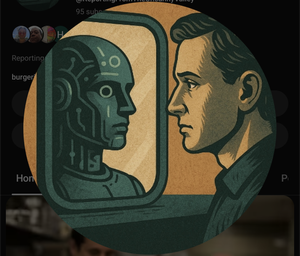
The Last Dance at 38: Neymar, the World Cup, and the Myth of the Aging Icon
The Body That Betrayed Him
Neymar da Silva Santos Junior will turn 38 years old two months before the 2026 World Cup kicks off across North America. His knees have been reconstructed twice. His ankle ligaments exist in a state that his former physiotherapist describes as “architectural compromise.” He has not played a full 90 minutes in competitive football since October 2024. And yet, when Brazil’s manager announced the preliminary squad last week, there was his name - not as a sentimental inclusion but as the number 10, the talisman, the man around whom an entire nation’s hopes will orbit.
The selection sparked immediate debate. Brazilian sports media split predictably: sentimentalists hailed it as destiny, pragmatists called it delusion. But beneath the takes and counter-takes lies a more interesting question - one that extends far beyond football. Why do we insist on one more act from our aging icons? What do we need from them that their younger replacements cannot provide?
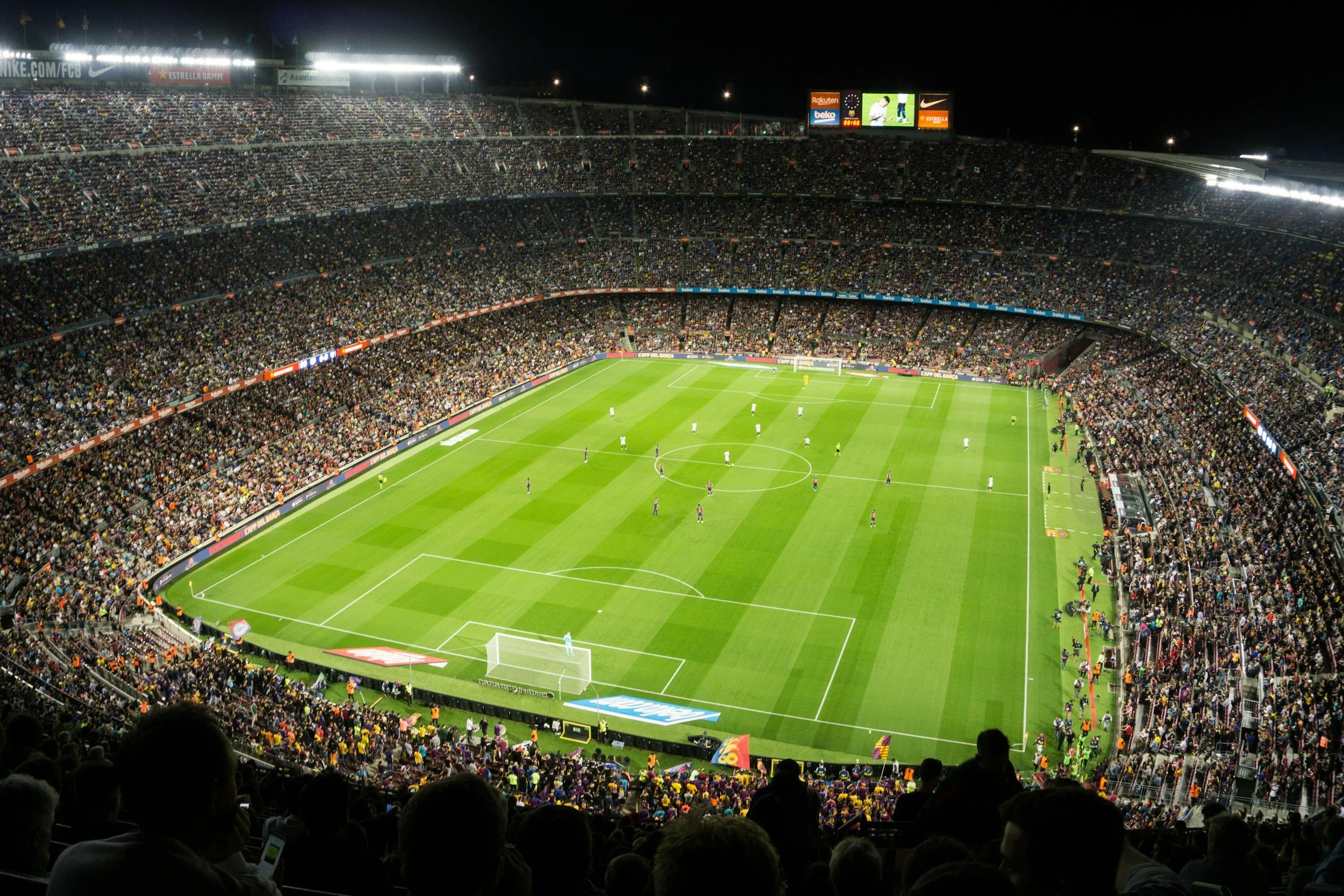
The history of aging athletes at World Cups is largely a history of diminishment. Ronaldo at 2006, Maradona at 1994, Zidane at 2006 being the glorious exception. The pattern is consistent: the body betrays what the mind remembers. Muscles that once fired in milliseconds now hesitate. The burst of acceleration that once left defenders grasping at air becomes a memory the legs can no longer execute. Yet we keep selecting them, keep believing, keep hoping for one more miracle.
Neymar’s case is particularly compelling because his decline has been so public, so thoroughly documented. Every failed comeback, every new injury scan, every Instagram video of him training alone on a private pitch in Saudi Arabia has been consumed by millions. We have watched this man’s body fail him in real time, and still we want more. Still we believe that the narrative demands a final chapter written in glory rather than attrition.
The economics of nostalgia play a significant role. Nike’s contract with Neymar, reportedly worth $25 million annually, includes performance bonuses tied to World Cup appearances. Broadcast rights for the 2026 tournament sold for $3.2 billion in Brazil alone. Neymar’s presence in the squad is worth an estimated 15-20 percent ratings increase for group stage matches. The aging icon is not just a player; he is a financial instrument whose value is measured in eyeballs and engagement metrics.
But economics alone cannot explain why 210 million Brazilians collectively hold their breath when Neymar’s name appears on the team sheet. There is something deeper at work - a cultural need for the aging hero to validate our own relationship with time. If Neymar can defy biology at 38, perhaps time is not the tyrant we fear it to be. His presence on that pitch represents not just Brazil’s World Cup hopes but our collective refusal to accept that all things end.
The younger generation of Brazilian talent watches this spectacle with complicated emotions. Endrick, Rodrygo, and Vinicius Junior represent perhaps the most gifted attacking cohort Brazil has produced since the 2002 World Cup winners. They are faster, fitter, and more tactically sophisticated than the aging star they orbit. Yet they exist in his shadow, their achievements perpetually measured against his legend rather than evaluated on their own merits.
When Neymar walks onto the pitch in June 2026 - if he walks onto the pitch - it will be the closest thing global sport offers to a collective reckoning with mortality. Not his mortality, but ours. We will watch him and see reflected back every dream we held too long, every prime we failed to recognize until it passed, every version of ourselves we keep alive through sheer refusal to let go. The myth of the aging icon endures because we need it to. The alternative - accepting that greatness is temporary, that all peaks are followed by descent - is simply too much to bear.