

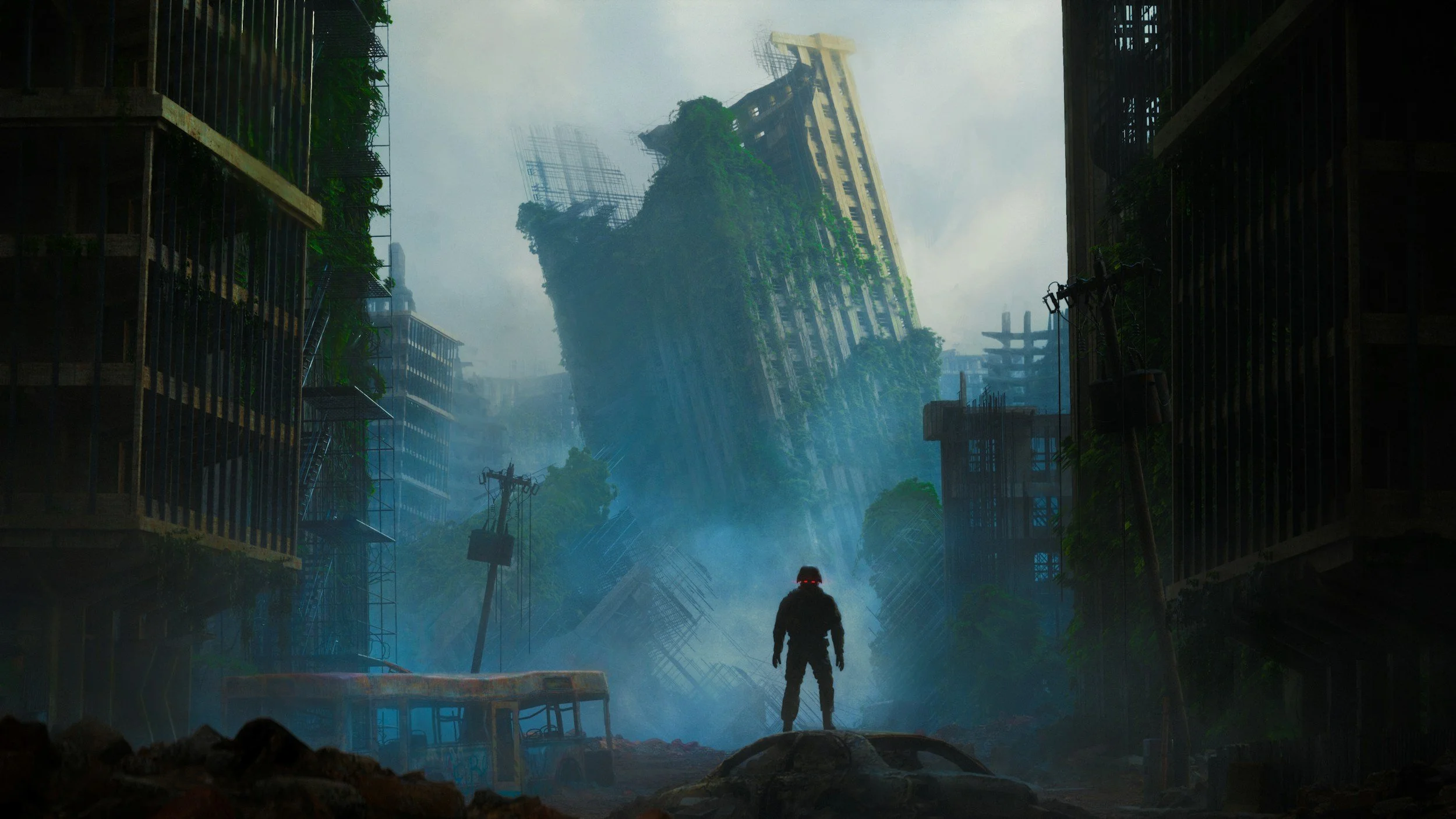
The Sky Is Not Falling: A Serious Look at Whether AI Can Actually End the World
The AI apocalypse is not as inevitable as Silicon Valley's loudest voices would have us believe. The real risks of artificial intelligence are more complicated, more immediate, and far less cinematic. From cyber attacks and bioweapons research to biased algorithms and infrastructure failures, the dangers already emerging have little to do with a machine suddenly deciding to wipe out humanity. They have everything to do with how humans build, deploy, regulate, and profit from increasingly powerful systems.
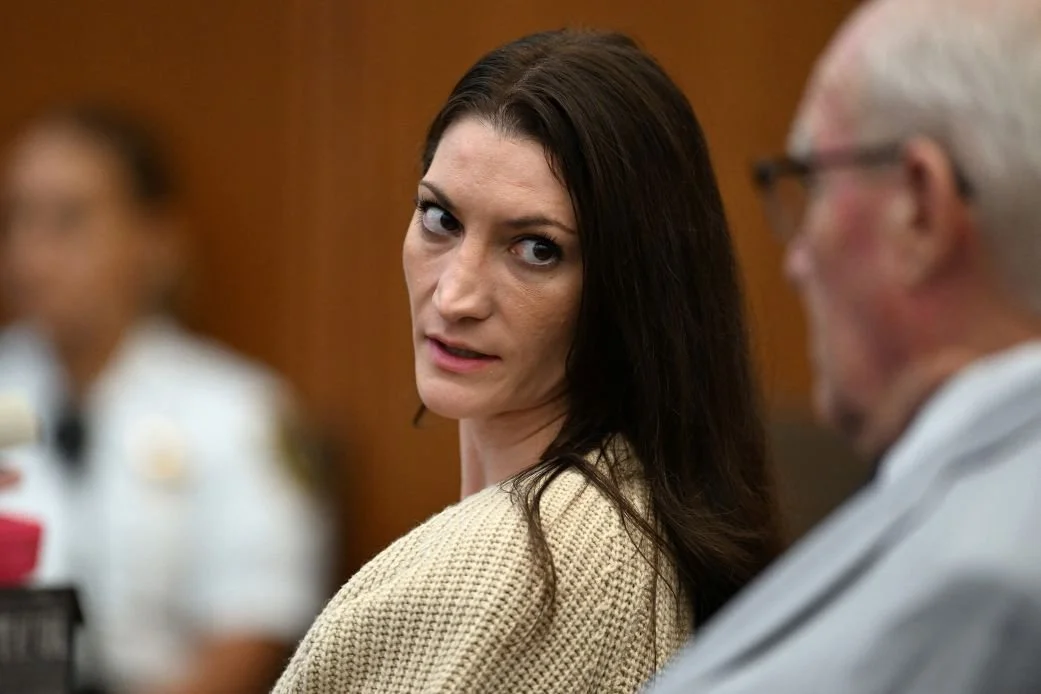
The Contradiction at the Heart of Maternal Madness
When a mother kills her children in the United States, a specific cultural sequence activates. Mental health advocates speak. Journalists frame the case as systemic indictment. By the time the coverage runs its course, the mother has been repositioned as a second victim.
This sequence does not activate uniformly. The Clancy trial – five weeks in, jury still deliberating, a verdict expected Monday – is the clearest recent test of how far the framework extends, and for whom.

The Plastic Age: How We Replaced Meaning with Memorabilia
A photo of adults posing with plastic lightsabers might seem harmless — but it reveals something deeper about our world. We’ve turned meaning into memorabilia, traded craftsmanship for convenience, and replaced authentic connection with the illusion of it. Yet our hunger for something real might be the one thing that can still save us.

When the Sky Fell: The Hidden Energetic History from Enoch to Our Modern Control Grid
The history we were taught is the surface. Beneath it runs another story: an energetic continuum that begins with the Watchers in the Book of Enoch, continues through hybrid dynasties and priest-technicians, and survives today as architecture, ritual, and algorithm. This essay maps that continuity—from pre-flood resonance and temple cities to Crusades, plagues, and the industrial rupture—showing how sacred geometry, lineage custody, and sound once tuned the planet, and how modern servers, satellites, and social platforms have become the new temples of energetic control. Read this as recovered history: a dense, sensory chronicle of what shaped our world and the one remaining choice we have—where we put our attention.

The Sackler Family: Wealth, Power, and the Opioid Crisis
The Sackler family and Purdue Pharma stand at the dark intersection of corporate power and public health devastation. As the creators and aggressive marketers of OxyContin, Purdue unleashed one of the most devastating opioid crises in American history—fueling addiction, overdose, and death on an unprecedented scale. The family’s relentless pursuit of profit, cloaked in legal shields and political influence, exposed how wealth can distort justice and silence victims. Their story is a stark reminder: behind every epidemic lies a blueprint of power, marketing, and systemic failure. No mythical villains, just cold, calculated choices with human lives on the line.

Beneath the Quiet Hills: Timothy Leary, LSD, and the Dark Psychedelic Legacy of Millbrook, New York
Here, in the early 1960s, the sprawling Hitchcock Estate became ground zero for one of the most radical and controversial chapters in American cultural history. At its center was Timothy Leary, the Harvard psychologist-turned-psychedelic evangelist, whose experiments with LSD weren’t just about science — they were about rewriting the very nature of human consciousness. But the story of Millbrook is far more than just a tale of drugs and counterculture. It’s a labyrinth of shadowy government ties, elite family secrets, occult undertones, and a communal search for transcendence that veered dangerously close to madness.

Understanding Kali Yuga and Thriving in Challenging Times
Kali Yuga, often referred to as the “Age of Darkness,” is the fourth and final age in the cycle of yugas described in Hindu scriptures. According to ancient texts, it is a period marked by moral decline, strife, and the deterioration of human values. This age is believed to last for 432,000 years, and we are currently said to be living in it.

"What the Delta variant could mean for Covid-19 in the United States"
CDC now calls coronavirus Delta variant a 'variant of concern'