

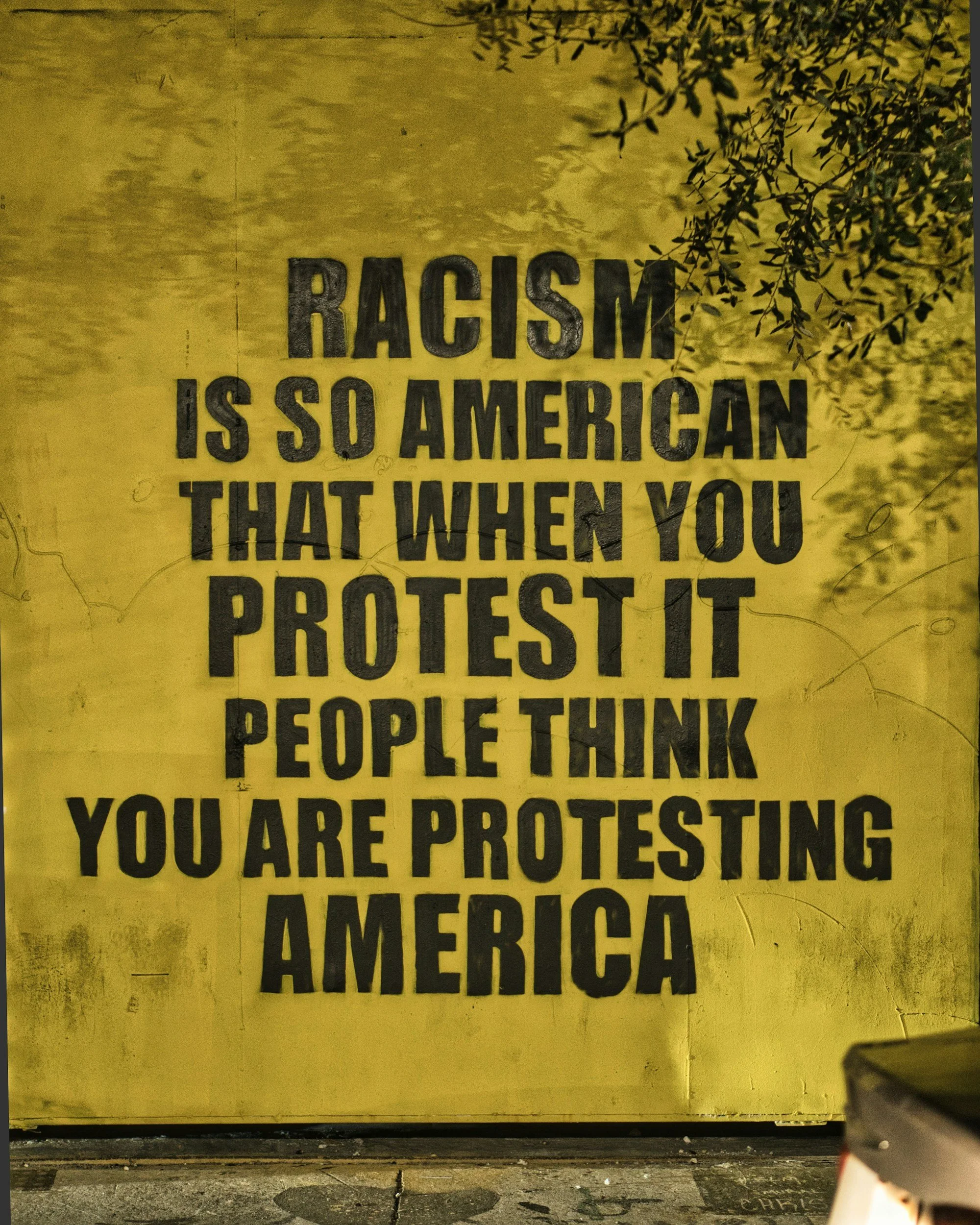
How to End Reverse Racism
In a series of interviews, several Black adults reflected on patterns they experienced from early childhood through adulthood. One recalled that in kindergarten, a white peer held up a book showing a baby monkey clinging to its mother. The child pointed at them and said, “Look, it’s [you] humping [your] mom.” That was not just a mean joke. It was an early signal of inherited bias.
What people call reverse racism, the notion that Black people can be “racist toward white people,” is often framed as strange or aggressive. Yet a closer look shows that these reactions are rooted in longstanding patterns of socialization and early exposure to racialized ideas.