The Price of Everything: What Trump's Tariffs Actually Cost You
Somewhere between a negotiating tactic and an economic philosophy, the tariff became the defining policy instrument of the second Trump administration. Call it protection, call it punishment, call it leverage — the label depends on who's paying the price. And increasingly, that person is you.
Let's start with a simple question: who actually pays a tariff?
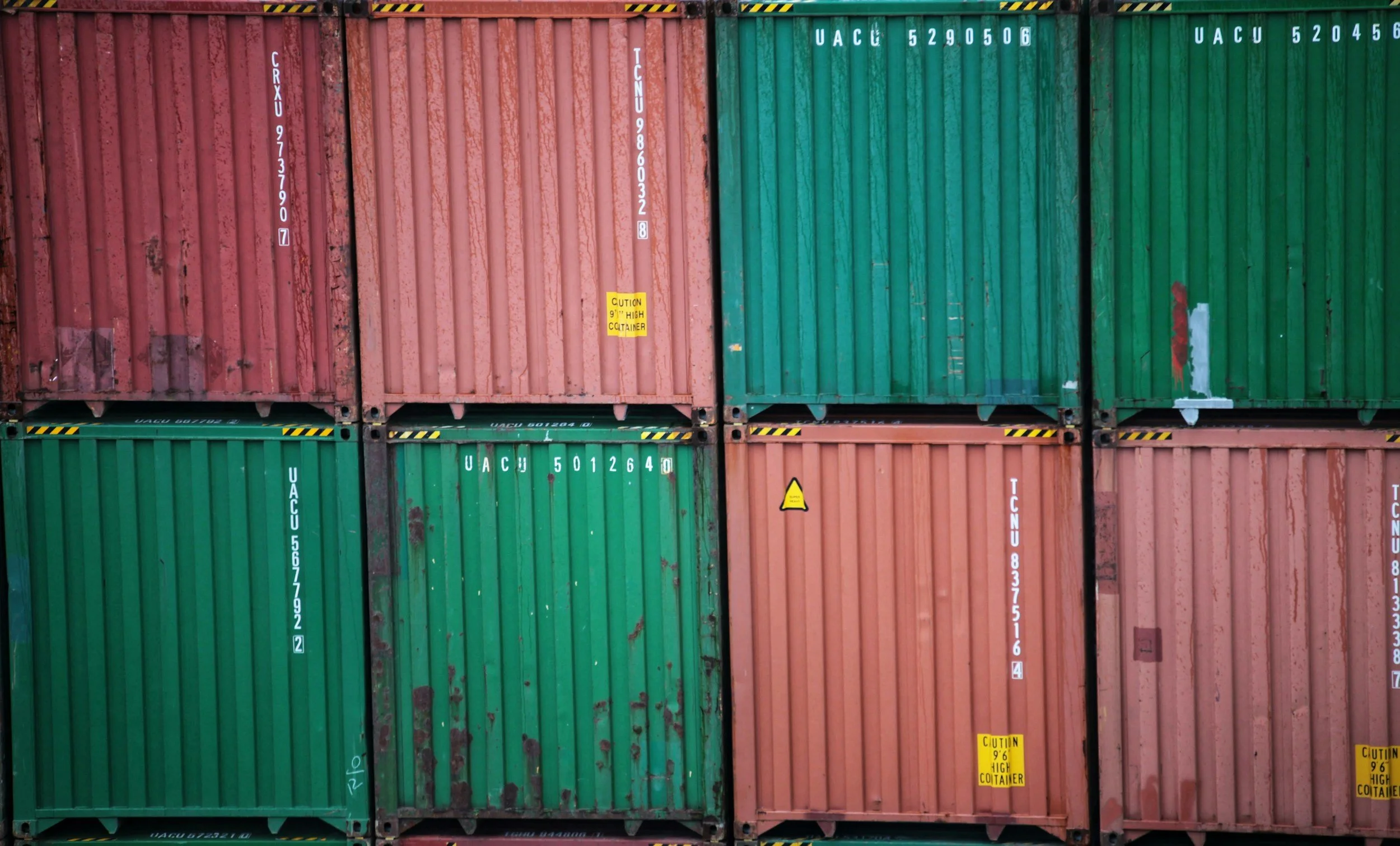
The official answer from the White House has always been: China pays. The factories pay. The foreign governments pay. The reality is more mundane and more brutal. When a 145% tariff gets slapped on a container of goods shipped from Shenzhen, the importer pays it at the port. The importer passes it to the wholesaler. The wholesaler passes it to the retailer. The retailer passes it to you. The chain of transfer is so routine that economists have a name for it: tariff pass-through. And in most consumer goods categories, the pass-through rate to American buyers approaches 100%.
The Federal Reserve confirmed this in a study published in April 2026. Economists at the Fed found that tariffs implemented through November 2025 raised core goods prices by 3.1% through February 2026 — accounting for the entirety of excess inflation in the core goods category relative to pre-pandemic levels. In plain language: the price creep you've been feeling at the register isn't coincidence. It's policy.
The Real Numbers
The administration has never been comfortable putting a dollar figure on what tariffs cost the average American. The math, however, is not complicated — and economists across the political spectrum have done it anyway.
According to the Tax Foundation, a nonpartisan research organization, Trump's tariffs amounted to an average tax increase of $1,000 per U.S. household in 2025. That figure rises to $1,300 in 2026 — and that's the conservative estimate. Congressional Democrats, citing tariff revenue data from January 2026, put the figure at $2,512. The Center for American Progress calculated $4,600. The Budget Lab at Yale landed at $4,700. The range is wide, but every single data point runs in the same direction: up.
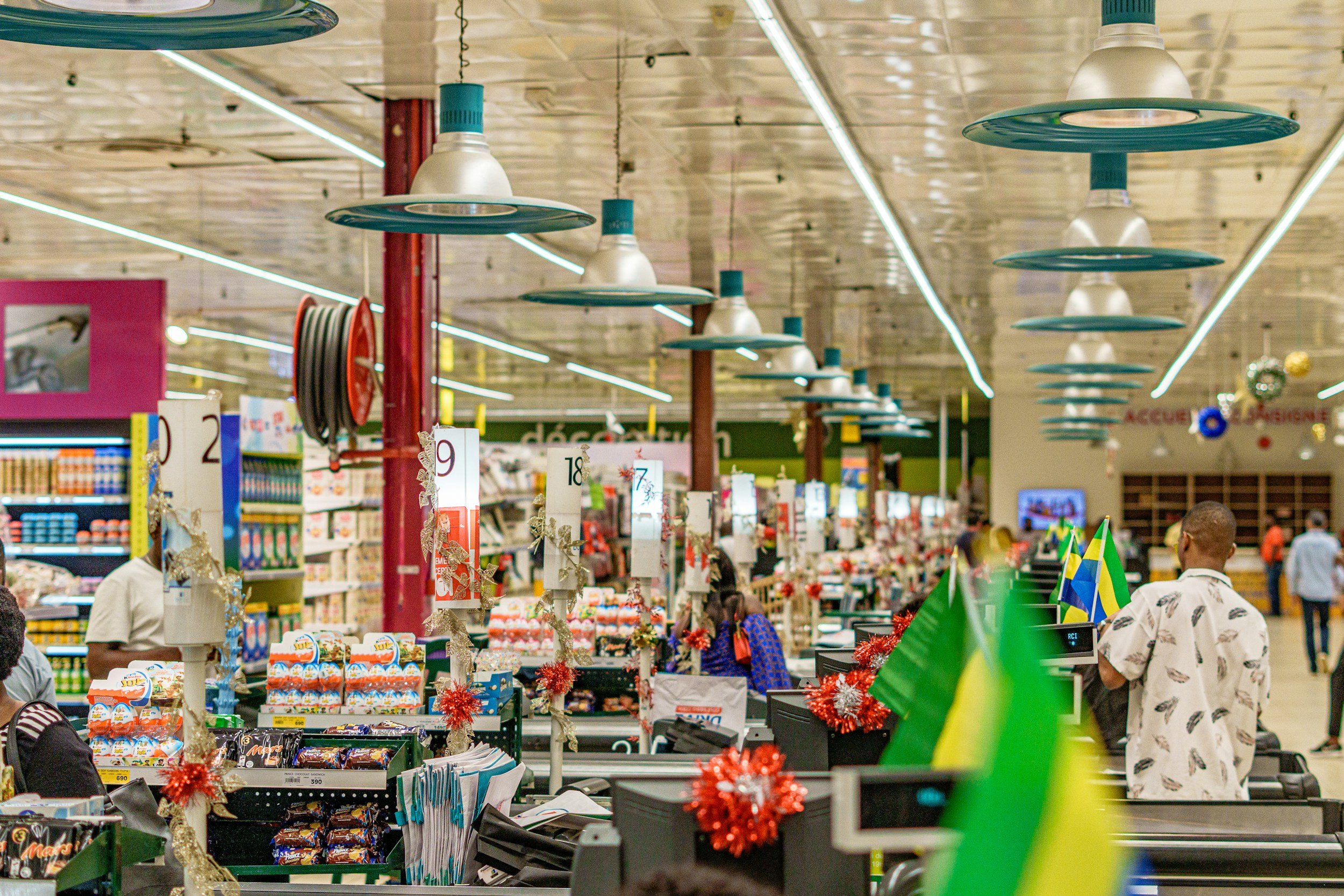
What does that look like in practice? Consider the items American households buy most frequently. Goods imported from China — which face a minimum 145% tariff, not counting pre-existing duties — saw an 8.5% year-over-year price increase by December 2025, according to the Federal Reserve. A PlayStation 5 that once retailed for $499 could cost more than $1,200 at full pass-through. An iPhone could more than double in price. Imported furniture, appliances, clothing, sneakers, coffee, and toys are all significantly more expensive than they were two years ago. Bank of America projected new car prices could rise by as much as $10,000 if automakers pass the full cost of the 25% auto tariff to consumers.
The cumulative tariff bill for American families through 2026 could surpass $330 billion for the year — a transfer of wealth from American consumers to the federal government that dwarfs most tax legislation in modern history. And unlike income taxes, it's invisible. It doesn't show up on your pay stub. It shows up in the grocery store, the car lot, and the electronics section of your nearest big-box retailer.
The Manufacturing Jobs That Weren't
The foundational promise of the tariff regime was always jobs. Bring manufacturing back to America. Fill the factories. Restore the Rust Belt. It was a politically resonant idea — and it hasn't materialized in the numbers that matter.
The Brookings Institution, analyzing employment data through late 2025, found that employers shed 8,000 manufacturing jobs in December 2025 alone. Overall, U.S. manufacturing payrolls shrank by 72,000 positions between April's tariff impositions and December. Michigan — the symbolic heart of American manufacturing — saw a net loss of 2,500 manufacturing jobs during that same stretch. The Center for American Progress calculated that since Liberation Day, the United States has lost 89,000 manufacturing jobs — the equivalent of closing 2,800 average-size manufacturing facilities.
To be fair, there are some narrow sectors where tariffs have worked. Steel imports fell 12.6% in 2025. U.S. Steel restarted its Gary Tin Mill in Indiana, creating 225 jobs — a legitimately positive data point in a story that needs more of them. But those protected workers are vastly outnumbered by the workers in downstream industries who pay more for the steel they use to make their products, and by the consumers who pay more for the goods those workers produce. Protection for a politically favored industry always imposes costs on a much larger set of people outside the frame
What the Small Business Owner Knows.
While the White House has framed tariffs as a policy for the working class, small and medium-sized businesses have arguably borne the sharpest edge of the disruption. An analysis of the National Association of Manufacturers' surveys found that 80% of manufacturers reported paying tariffs on imported manufacturing inputs in 2025. Unlike large corporations — which can diversify supply chains, negotiate favorable contracts, and absorb short-term losses — small businesses often have no such cushion.
Input costs for small manufacturers in industries reliant on imported electronics components, textiles, and materials have risen between 8% and 20%, according to analysis from researchers tracking supply chain disruption in 2026. Many businesses have been forced to either raise prices — risking losing customers — or absorb the costs and compress margins to the breaking point. A furniture manufacturer in Texas described transitioning 40% of raw material sourcing from overseas suppliers to domestic partners: slightly more expensive, but at least predictable.
The uncertainty may be as damaging as the tariff itself. When businesses cannot determine whether current rates will hold, they cannot plan inventory. They cannot negotiate supplier contracts. They cannot invest in equipment. Small businesses caught in the crossfire between Washington's shifting trade policy and fragile supply chains are being asked to make permanent operational decisions based on temporary political signals.
The Political Economics of Looking Tough
Here is where the tariff becomes less an economic policy and more a performance. The White House has consistently framed tariffs as tools for negotiation: leverage that will eventually produce better tr
But here is the honest accounting: between the time the tariffs were imposed and any hypothetical future deal, real Americans are paying the difference. Every month the tariff regime continues, another thousand dollars flows from household budgets to federal coffers. That's not leverage. That's a tax. It's just one the administration prefers not to call by its actual name.ade deals, bring factories home, and restore American economic sovereignty. Some of that may yet materialize. Trade negotiations are long, messy, and unpredictable
The Inflation Nobody Named
The U.S. had spent three years fighting its way back from post-pandemic inflation. By 2024, PCE inflation had dropped to 2.6% — nearly at the Federal Reserve's 2% target. Then came the tariffs. Morningstar's 2026 forecast projects inflation rising back to 2.7% this year, driven almost entirely by businesses finally passing tariff costs to consumers after burning through their pre-tariff inventory stockpiles. In other words: the bill has been delayed, not eliminated. And it is now due..
The tariff question is ultimately a question about who pays. In the architecture the administration has built, the answer is clear: you do. Every time you fill a grocery cart, buy a pair of shoes, replace a broken appliance, or finance a car, a portion of what you spend exits your household and enters the federal ledger. It is a tax on consumption — regressive by nature, disproportionately heavy on working families, and almost perfectly invisible in the absence of a receipt that explains which line items are tariff costs versus baseline price. That is not an accident. It is the design.