


The Plastic Age: How We Replaced Meaning with Memorabilia
A photo of adults posing with plastic lightsabers might seem harmless — but it reveals something deeper about our world. We’ve turned meaning into memorabilia, traded craftsmanship for convenience, and replaced authentic connection with the illusion of it. Yet our hunger for something real might be the one thing that can still save us.

Is ByteDance Quietly Undermining TikTok’s U.S. Algorithm?
TikTok’s “For You Page” once made unknown creators viral overnight. By 2024–2025, U.S. users report stagnating views and lower engagement. This essay investigates Reddit complaints, engagement metrics, and ByteDance’s strategic algorithm changes under regulatory pressure, drawing parallels to Vine and exploring implications for creators, users, and brands.

When the Sky Fell: The Hidden Energetic History from Enoch to Our Modern Control Grid
The history we were taught is the surface. Beneath it runs another story: an energetic continuum that begins with the Watchers in the Book of Enoch, continues through hybrid dynasties and priest-technicians, and survives today as architecture, ritual, and algorithm. This essay maps that continuity—from pre-flood resonance and temple cities to Crusades, plagues, and the industrial rupture—showing how sacred geometry, lineage custody, and sound once tuned the planet, and how modern servers, satellites, and social platforms have become the new temples of energetic control. Read this as recovered history: a dense, sensory chronicle of what shaped our world and the one remaining choice we have—where we put our attention.

The Doctrine of Discovery: How a Papal Decree Reshaped the World
Before 1450, the world was vast and multipolar — cultures coexisted in relative isolation, each with its own rhythm. Then a handful of papal decrees changed everything. The Doctrine of Discovery gave Christian empires a divine mandate to seize land, enslave nonbelievers, and erase indigenous worlds. Its echoes still shape modern borders, economies, and faith itself. This article unpacks how a single theological concept became the foundation for global inequality — and why its legacy endures.

The Sackler Family: Wealth, Power, and the Opioid Crisis
The Sackler family and Purdue Pharma stand at the dark intersection of corporate power and public health devastation. As the creators and aggressive marketers of OxyContin, Purdue unleashed one of the most devastating opioid crises in American history—fueling addiction, overdose, and death on an unprecedented scale. The family’s relentless pursuit of profit, cloaked in legal shields and political influence, exposed how wealth can distort justice and silence victims. Their story is a stark reminder: behind every epidemic lies a blueprint of power, marketing, and systemic failure. No mythical villains, just cold, calculated choices with human lives on the line.

Annabelle, Ice-Cream Trucks, and the Summer of Inversion
“Hell is empty and all the devils are here."
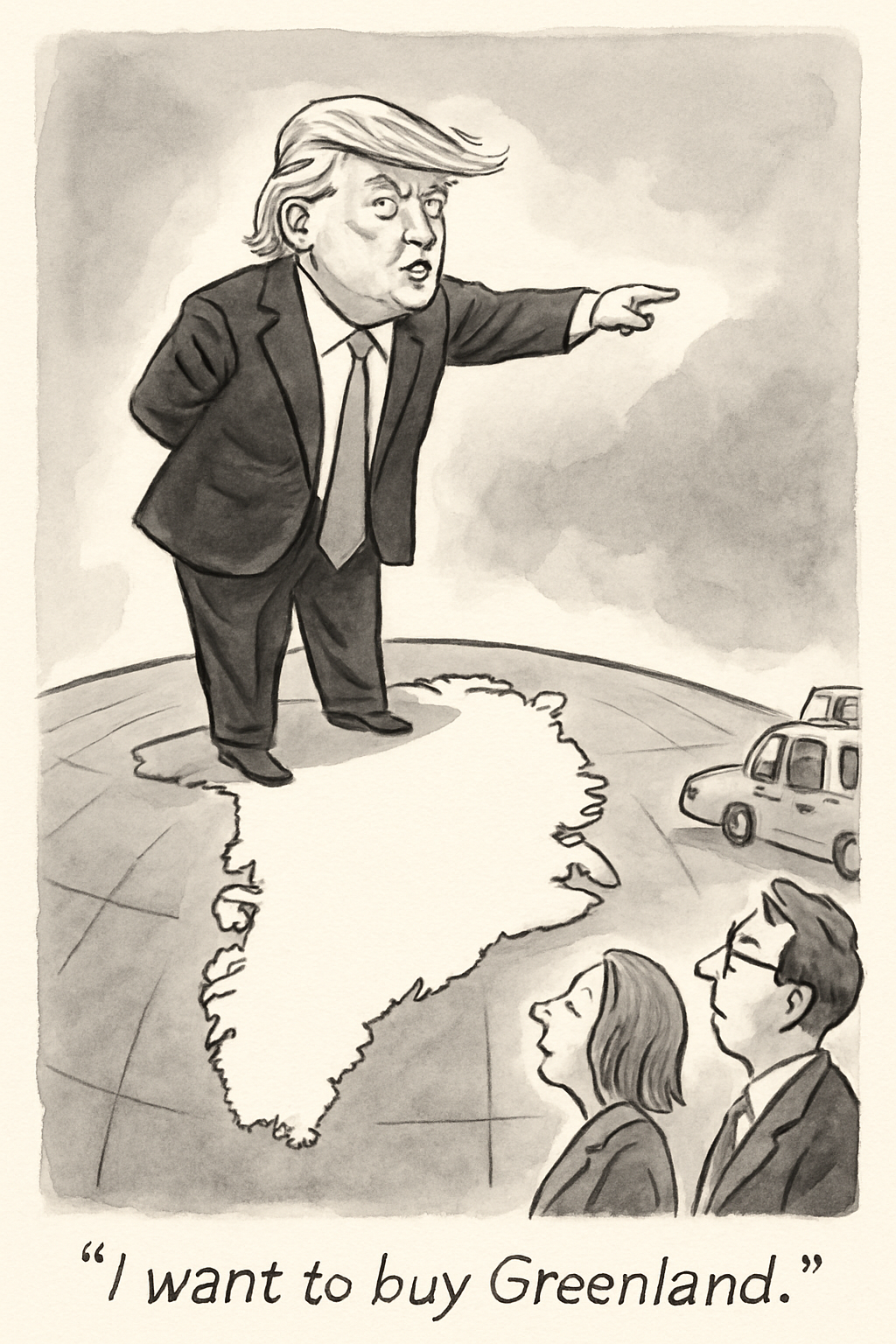
Greenland, Trump, and the Geopolitics of the Arctic
What began as an “absurd” Trump remark in 2019 has become a cornerstone of U.S. Arctic strategy. From blocking China’s rare-earth bids to reopening the consulate in Nuuk and now framing Greenland as a national security imperative, Washington has turned a joke into doctrine.

Spirits as Medicine: The Old World Logic of One Drink a Day
For most of human history, alcohol was less about indulgence and more about survival. Gin began as a juniper tonic prescribed for kidney ailments, whiskey was Gaelic “water of life” used for pain and antiseptic, and wine was a daily safeguard when water could kill you. Monks brewed, sailors rationed, doctors prescribed. What we now call a cocktail was once considered closer to medicine than mischief.
Modern science backs the paradox the old world lived by: in moderation, spirits can act like liquid medicine. One drink a day—no more—can ease digestion, improve circulation, and even reduce stress. Gin remains the most obviously medicinal, a tincture of herbs and roots. In something like the Hudson Cocktail Company’s Basil Crush—gin, lemon, basil, and cane sugar—you get an almost herbal lemonade with a kick: vitamin C from lemon, antioxidants from basil, a clean sweetness from cane sugar, and the juniper’s subtle diuretic properties. It’s indulgence disguised as wellness.
The same logic applies across the bar. Whiskey paired with soda and lemon turns from a heavy dram into a circulatory tonic. Vodka mixed with beet or carrot juice becomes a vitamin shot with a backbone. Rum cut with coconut water hydrates as it enlivens. Even wine, the most studied of all, delivers its famous heart-protecting polyphenols most effectively when sipped with vegetables, olive oil, and lean proteins.
The key is the dose. One glass may be medicine. Three, and you’ve tipped into poison. The old world knew this instinctively. A small daily pour wasn’t meant to intoxicate, but to punctuate: to mark the rhythm of a day, to make a meal more whole, to remind us that pleasure and health can share a glass when balance is respected.